Boiler Repair for Brownstone Buildings
Specialized boiler repair for Brownstone buildings in NYC.
Specialized boiler repair for Brownstone buildings in NYC.
Brownstones are quintessentially New York, with their signature sandstone facades lining the tree-shaded streets of Brooklyn, Harlem, Park Slope, and the Upper West Side. These three-to-four-story row houses, typically built between the 1860s and early 1900s, were originally designed with coal-fired boilers and gravity-fed hot water or steam heating systems. Today, most have been converted to gas-fired boilers, though the distribution systems often remain largely original. Brownstone heating presents unique challenges because the narrow, multi-story layout makes heat distribution uneven, with upper floors frequently overheating while parlor-floor rooms stay cold. Many brownstone owners have converted their homes into multi-unit configurations, adding complexity to the HVAC design. Installing central air conditioning in a brownstone requires creative solutions since there is typically no space for traditional ductwork. Ductless mini-split systems have become the preferred cooling solution, offering efficient zone control without invasive construction. Our technicians understand the particular needs of brownstone owners who want to modernize their comfort systems while respecting the historic character of these beloved buildings.
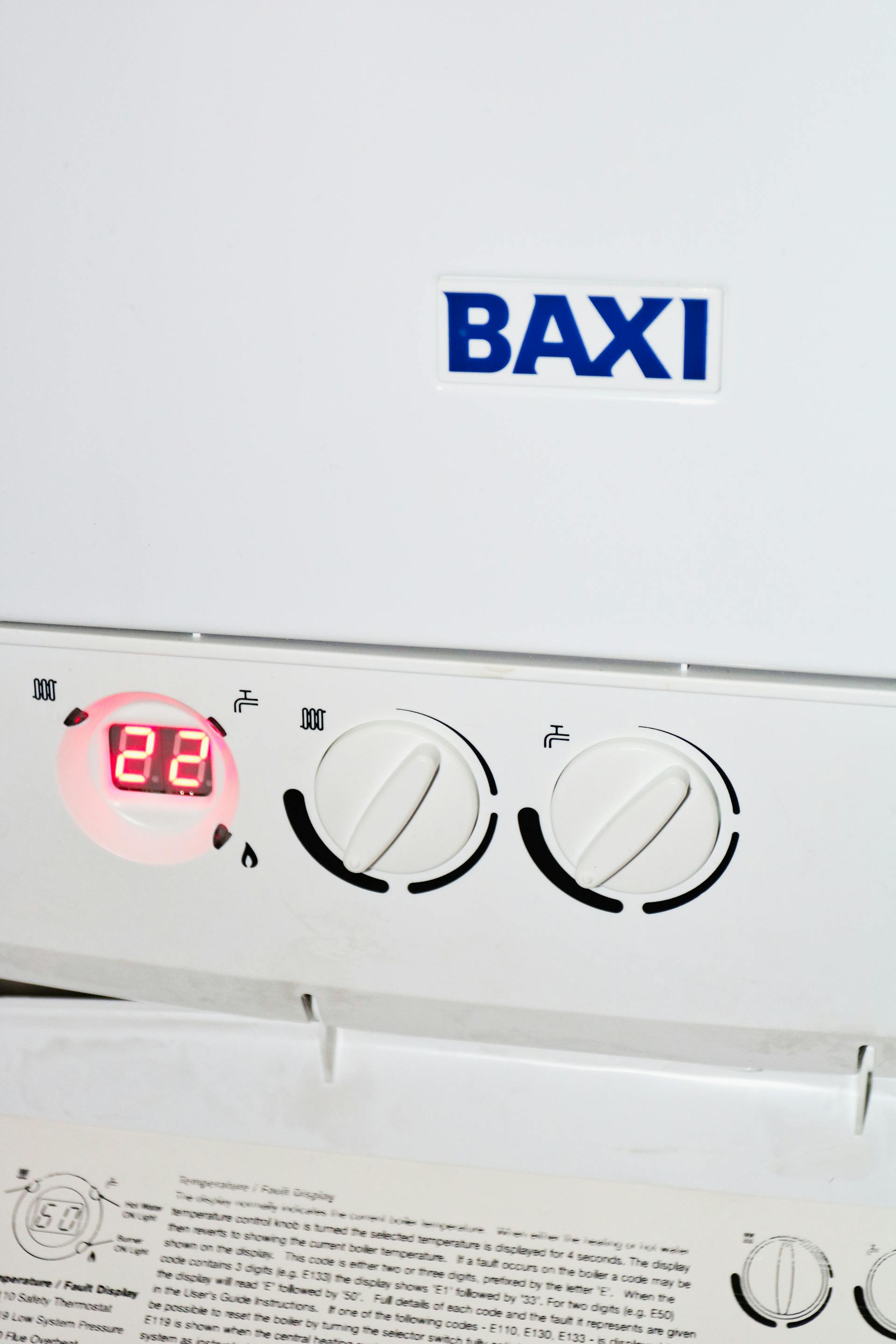
When it comes to boiler repair in brownstone buildings, our technicians bring specialized expertise. Brownstone boiler repairs typically involve a single residential boiler serving all floors. Common issues include zone valve failures, circulator pump problems, and expansion tank malfunctions.
Emergency or scheduled dispatch with fast response during heating season
Comprehensive boiler diagnostic including combustion analysis and safety testing
Clear diagnosis with upfront repair pricing and explanation of the problem
Professional repair with quality parts and proper adjustments
Post-repair testing, CO verification, and recommendations for preventing recurrence
NYC boilers should be professionally serviced at least once per year, ideally before the heating season begins in October. This annual service is also required to maintain compliance with NYC DOB boiler inspection requirements. The service should include cleaning the burner, checking combustion efficiency, testing all safety controls, inspecting the heat exchanger, and checking water levels and pressure.
A steam boiler heats water until it becomes steam, which rises through pipes to radiators by its own pressure. A hot water boiler heats water and uses circulator pumps to push it through pipes to radiators or baseboard units. Hot water systems are generally more efficient and easier to control, but many older NYC buildings use steam systems that are still functional and effective when properly maintained.
Pressure loss in a hot water boiler system is almost always caused by a water leak somewhere in the system. Common leak locations include radiator valves, pipe joints, the expansion tank, the pressure relief valve, and the boiler itself. A small amount of pressure fluctuation is normal, but if you need to add water frequently, you have a leak that should be found and repaired. Running a boiler with chronically low pressure can damage the equipment.
Residential boiler replacement in NYC typically costs between $6,000 and $15,000 for a standard efficiency unit, and $8,000 to $20,000 for a high-efficiency condensing boiler. Costs vary based on the boiler size, type, brand, complexity of installation, and whether piping or venting modifications are needed. Commercial boiler replacement costs significantly more depending on the capacity required.
Boiler sizing requires a professional heat loss calculation that considers the building's square footage, insulation levels, window area and type, number of units, hot water demand, and the outdoor design temperature for NYC. Oversizing wastes energy through short cycling, while undersizing leaves the building cold on the coldest days. We perform detailed calculations to recommend the right size for your specific building.
Frequent cycling (short cycling) means the boiler turns on and off more often than it should. Common causes include an oversized boiler, a faulty thermostat or aquastat, a malfunctioning circulator pump, airlock in the system, or a problem with the boiler's internal controls. Short cycling wastes energy, increases wear on the equipment, and often means the building is not being heated effectively.
Condensing boilers achieve efficiency ratings of 90-98%, compared to 80-85% for standard boilers. For a typical NYC building spending $3,000-5,000 per year on heating fuel, the efficiency upgrade can save $500-900 annually. The extra cost of a condensing boiler ($2,000-5,000 more than standard) is typically recovered within 3-7 years through fuel savings, and available rebates can shorten that payback further.
Contact a qualified HVAC contractor immediately to review the inspection report and understand what deficiencies were found. Common failure reasons include expired safety controls, improper venting, code violations in the boiler room, and equipment in poor condition. We can address the deficiencies, make necessary repairs, and prepare the boiler for re-inspection. Do not delay, as operating a boiler with outstanding inspection failures can result in significant DOB violations.
Converting from steam to hot water is technically possible but is a major project that involves replacing the boiler, adding circulator pumps, modifying piping, replacing radiators or adding converters, and installing an expansion tank. The cost can be substantial ($30,000-100,000+ for a typical multi-family building), but the benefits include better temperature control, higher efficiency, and quieter operation. A professional evaluation can determine if conversion makes sense for your building.
Signs of a cracked heat exchanger include visible water leaking from the boiler, a drop in system pressure without an obvious external leak, soot or carbon deposits around the heat exchanger, carbon monoxide detector alarms, and a yellow or flickering burner flame. A cracked heat exchanger is a serious safety concern because it can allow combustion gases including carbon monoxide to enter the living space. If you suspect a cracked heat exchanger, call for service immediately.
Fill out the form below and we'll get back to you within 1 hour during business hours.